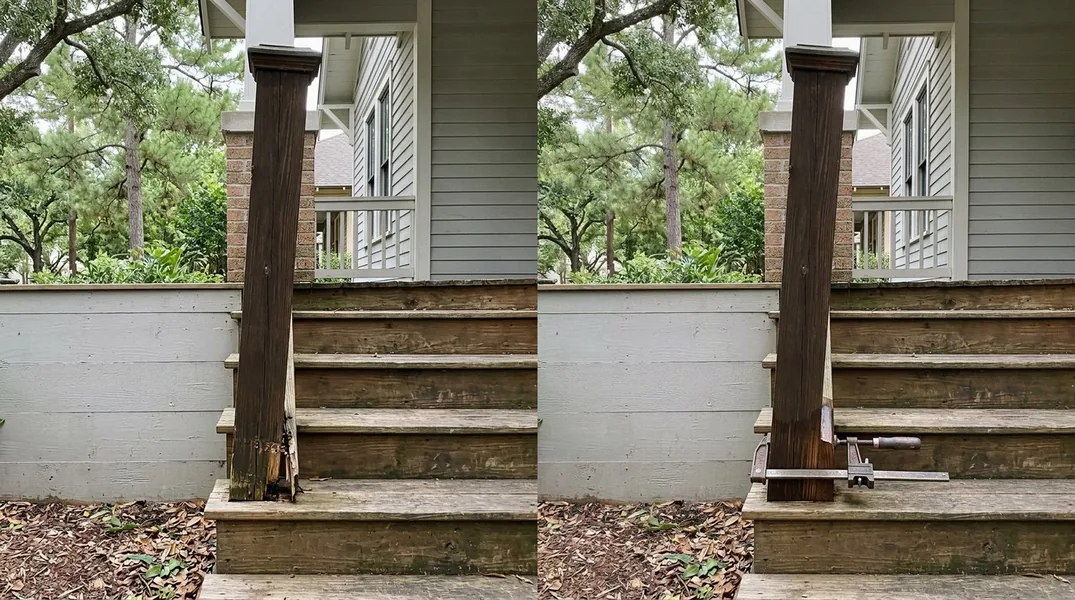
Understanding Houston's Foundation Problem: Clay Soil and Seasonal Movement
If you've noticed that your doors won't close properly or your floors have developed an uneven slope, you're not alone. Thousands of homeowners across Houston experience these frustrating issues every year, and the culprit is often hiding right beneath their homes. The problem stems from the expansive clay soil that dominates the Houston area, which moves dramatically with seasonal changes in moisture.
Clay soil has a unique characteristic: it swells when wet and shrinks when dry. During Houston's wet seasons, clay absorbs moisture and expands, pushing against your foundation with tremendous force. When dry seasons arrive, the soil contracts and pulls away from the foundation, leaving gaps and allowing your home to settle unevenly. This constant movement, which can be several inches over time, is what causes structural issues that ripple throughout your entire house. The foundation movement doesn't just affect the concrete itself; it directly impacts every wooden element connected to it, from floor joists to door frames.
Why Doors Stick and Won't Close Properly
One of the earliest warning signs that your foundation is moving is when doors suddenly become difficult to open or close. A door that once swung smoothly may now bind against the frame, requiring you to lift it slightly or push harder to make it latch. This happens because foundation movement causes the door frame to shift out of square. When your foundation settles unevenly or tilts, the wooden frame surrounding the door shifts with it, and even a fraction of an inch of movement is enough to cause binding and sticking.
The issue is particularly common with interior doors, since they're often the first to reveal subtle foundation problems. Exterior doors may also stick, but homeowners sometimes attribute this to humidity or seasonal wood swelling rather than recognizing it as a sign of deeper structural movement. If you're experiencing sticking doors in your house, it's important to assess whether the problem is localized to one door or affects multiple doors throughout your home. Multiple sticking doors in different areas of your house is a strong indicator that foundation movement, not simple wood expansion, is the real cause. This is the time to call a professional to evaluate your foundation and the structural integrity of your home's framing.
Uneven Floors and Sagging: A Red Flag for Structural Issues
Sloping or uneven floors are perhaps the most visually obvious sign that your foundation has moved. You might notice this when you roll a ball across the floor and it travels toward one corner, or when you feel like you're walking uphill in certain rooms. Unlike sticking doors, which can sometimes be dismissed as a minor inconvenience, uneven floors represent a more serious structural concern. The slope typically develops because the foundation beneath certain areas of your home has settled more than others, causing the floor joists and subfloor to tilt and sag.
Foundation movement doesn't always happen uniformly. One corner of your home might settle more than another, creating the uneven floor condition. This is especially common in Houston, where clay soil behavior varies depending on factors like drainage patterns, tree root systems, and the specific composition of soil on your property. Over time, uneven floors can lead to more serious problems, including damage to floor joists, compromised structural support, and even cracks in walls and ceilings. If you're noticing an uneven floor, an uneven floor repair should be a priority. This often requires professional assessment to determine whether the issue is purely cosmetic or whether deeper structural work like Floor Joist & Subfloor Repair is necessary.
How Wood Rot Develops When Foundations Move
Foundation movement creates another serious problem that many homeowners don't immediately connect to their shifting foundation: wood rot. When your foundation settles unevenly or develops gaps, moisture can enter areas that were previously protected. Wooden components like rim joists, band boards, and floor joists that were designed to stay dry are suddenly exposed to moisture, humidity, and sometimes direct water intrusion. This creates the perfect environment for wood rot to develop and spread.
Wood Rot & Dry Rot Repair is often necessary when foundation problems have gone unaddressed for several years. The combination of foundation movement, moisture intrusion, and the warm, humid climate of Houston creates ideal conditions for fungal growth that destroys wood from the inside out. What starts as a foundation problem can quickly become a wood rot problem that compromises the structural integrity of your entire home. This is why addressing foundation movement early is so critical. The longer you wait, the more likely you are to need extensive Wood Rot & Dry Rot Repair work, which is significantly more expensive than preventive measures.
Foundation Movement Repair: When to Call a Professional Near Me
If you're experiencing sticking doors, uneven floors, or other signs of foundation movement, the time to act is now. While some foundation issues require the expertise of a structural engineer or foundation specialist, the wooden structural elements of your home may need repair or replacement by a skilled carpenter. At Houston Carpentry, we specialize in identifying and repairing the damage that foundation movement causes to your home's wood framing and structural components.
Our team can assess whether your floor joists need reinforcement, whether your rim joists have been compromised by moisture, and whether Beam Replacement & Load-Bearing Wall Removal or other structural work is necessary. We work closely with foundation specialists to ensure that the wooden components of your home are properly repaired and protected. Don't wait until foundation movement has caused extensive damage to your home's structure. Contact Houston Carpentry today at (832) 462-7903 or request a free estimate to have your home professionally evaluated.
Protecting Your Home: Prevention and Early Detection
While you can't control the clay soil beneath your home or prevent all foundation movement, you can take steps to minimize the problem and catch it early. Proper drainage around your home is essential. Make sure gutters and downspouts direct water away from your foundation, and maintain consistent soil moisture by watering around your home's perimeter during dry periods. Avoid planting large trees too close to your foundation, as their roots can extract moisture from the soil and accelerate the shrinking and settling process.
Early detection is equally important. Pay attention to changes in your home, such as new cracks in drywall, doors that suddenly start sticking, or floors that seem to slope more than they used to. These are your home's way of telling you that something is changing structurally. Regular inspections of your foundation, crawl space, and wooden structural components can catch problems before they become severe. If you notice any signs of foundation movement or structural damage in your Houston home, reach out to Houston Carpentry at (832) 462-7903 or visit our website to request a free estimate. Our experienced team can help you understand what's happening to your home and develop a plan to protect your investment for years to come.
Looking for a professional carpentry contractor in Houston? Houston Carpentry responds fast for all your carpentry needs.
Get a Free QuoteOur services: Wood Rot & Dry Rot Repair · Termite Damage Repair · Floor Joist & Subfloor Repair