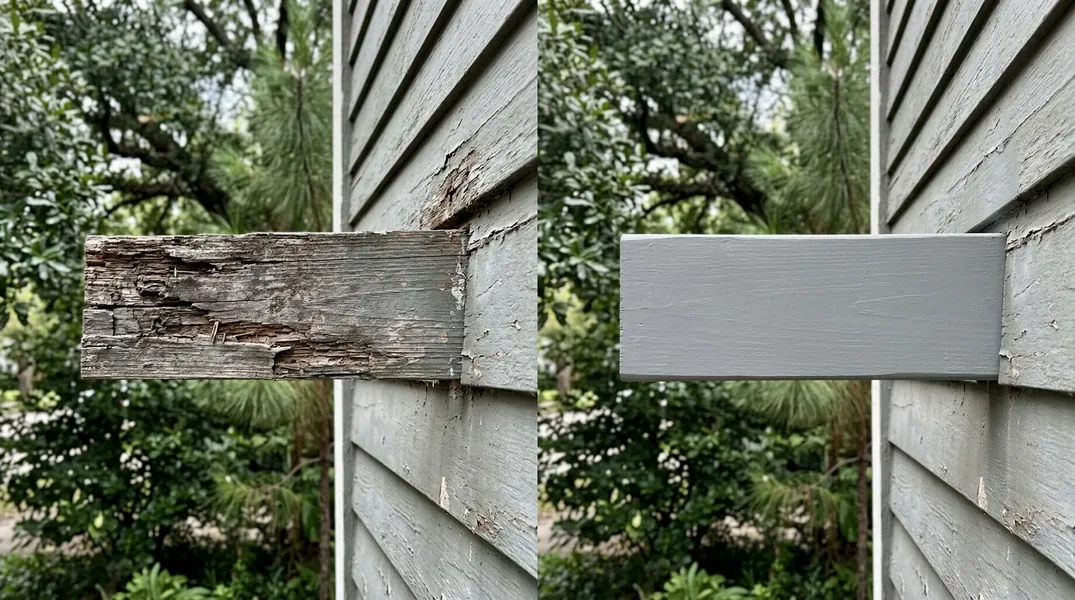
Dry Rot vs Termite Damage: Understanding the Enemy
If you own a home in Houston, you've likely heard warnings about wood rot and termite infestations. Both can cause serious structural damage, but they're fundamentally different problems requiring different solutions. Understanding the distinction between dry rot vs termite damage is crucial because misidentifying the problem could delay treatment and allow damage to spread throughout your home.
The confusion is understandable. Both conditions result in weakened wood, both can compromise your home's structural integrity, and both thrive in the warm, humid climate that Houston provides year-round. However, the causes, progression, and remedies for each are distinct. Dry rot is a fungal decay that occurs when wood loses moisture and becomes brittle, while termite damage is caused by living insects actively consuming wood fibers. Learning to spot the differences could save you thousands of dollars and prevent catastrophic structural failure.
What Does Wood Rot Look Like? Key Visual Signs
Dry rot presents distinctive visual characteristics that differ markedly from termite damage. When wood suffers from dry rot, it typically becomes soft, spongy, and dark in color, often appearing black, brown, or grayish. The wood will feel crumbly or powdery to the touch, and you may notice it shrinking or developing deep cracks that form a cube-like pattern. This cracking pattern is one of the most telltale signs of dry rot, as the fungus breaks down the wood's cellular structure in a very specific way.
You might also notice a musty, earthy odor near affected areas, and in some cases, you'll see visible fungal growth that looks like cotton-like strands (called mycelium) or fruiting bodies that resemble mushrooms. The affected wood loses its structural strength rapidly, becoming so compromised that you can often push a screwdriver or knife blade through it with minimal pressure. If you suspect dry rot in your home, contact Houston Carpentry for a free estimate to assess the damage and discuss Wood Rot & Dry Rot Repair options.
Signs of Termite Damage in Wood: What Termites Leave Behind
Termite damage tells a different story. Rather than crumbling and becoming soft, wood damaged by termites often appears hollow or has a honeycomb-like interior structure. Termites eat wood from the inside out, which means the surface may look relatively intact while the interior is completely compromised. You might notice thin, papery layers of wood remaining on the surface while the inside has been completely consumed. The wood may feel light and hollow when tapped, or you might hear a hollow sound when knocking on affected areas.
Unlike dry rot's musty smell, termite-infested wood often has a faint, unpleasant odor, and you may actually see the termites themselves, particularly during spring swarming season. Termites create mud tubes along foundation walls and wooden supports as they travel between the soil and food sources, and these tubes are a classic indicator of an active infestation. You might also notice small piles of sawdust-like droppings (called frass) beneath infested wood. If you suspect Termite Damage Repair is needed, professional evaluation is essential because termites can cause exponential damage in a relatively short time.
Key Differences: Wood Rot vs Termite Damage at a Glance
The primary difference between these two wood-destroying forces comes down to causation. Dry rot is a fungal disease that requires specific moisture conditions to develop. It typically occurs in areas where wood has been exposed to water or high humidity, poor ventilation, or inadequate drainage. The fungus essentially digests the wood's structural components, breaking it down from within. Once dry rot takes hold, it can spread throughout your home if left untreated, but it's not alive in the way that termites are. Termites, conversely, are living insects that actively seek out and consume wood as a food source. They're organized, strategic feeders that can establish colonies numbering in the thousands.
Another critical difference lies in the damage pattern. Dry rot typically affects wood in localized areas where moisture problems exist, such as around plumbing leaks, roof damage, or areas with poor ventilation. Termite damage often follows a more systematic pattern, as termites work methodically through structural elements like Floor Joist & Subfloor Repair areas, support beams, and wall studs. Additionally, dry rot produces a characteristic musty odor and visible fungal growth, while termites leave behind mud tubes, frass, and sometimes winged swarmers during certain times of the year. Understanding these distinctions helps homeowners and professionals alike determine the appropriate course of action.
Why Houston's Climate Makes Your Home Vulnerable
Houston's subtropical climate creates ideal conditions for both dry rot and termite infestations. The region experiences high humidity levels year-round, frequent rainfall, and warm temperatures that never quite eliminate pest activity. Homes in Houston are particularly susceptible to moisture-related wood damage because the combination of heat and humidity means that wood can retain moisture for extended periods, even after water intrusion events. This prolonged moisture exposure provides the perfect breeding ground for the fungi that cause dry rot.
Termites, meanwhile, thrive in warm climates and never truly go dormant in Houston. Unlike homeowners in colder climates who might see termite activity decrease during winter months, Houston residents face year-round termite pressure. The soil around most Houston homes contains termite colonies, making prevention and early detection critical. If you've noticed any signs of wood damage in your home, whether it's soft, crumbly wood or hollow-sounding structural elements, professional inspection is warranted. The longer these problems persist, the more extensive and expensive the repairs become.
When to Call a Professional: Wood Rot & Dry Rot Repair Near Me
Identifying the problem is only the first step. Once you've determined whether you're dealing with dry rot or termite damage, professional intervention becomes essential. DIY repairs might seem cost-effective initially, but wood-destroying organisms can spread rapidly, and structural damage can become catastrophic if not properly addressed. Professional carpenters have the expertise to not only identify which problem you're facing but also to determine the full extent of the damage, which often extends beyond what's immediately visible to the untrained eye.
Houston Carpentry specializes in both Wood Rot & Dry Rot Repair and termite damage restoration. Our team can assess your situation, recommend appropriate treatment, and handle everything from removing damaged wood to replacing structural elements like Beam Replacement & Load-Bearing Wall Removal if necessary. We understand Houston's unique climate challenges and know exactly what to look for in homes throughout the area. If you suspect wood damage in your home, don't wait. Call us at (832) 462-7903 or contact us for a free estimate today. Early detection and professional treatment can save you tens of thousands of dollars in future repairs.
Looking for a professional carpentry contractor in Houston? Houston Carpentry responds fast for all your carpentry needs.
Get a Free QuoteOur services: Wood Rot & Dry Rot Repair · Termite Damage Repair · Floor Joist & Subfloor Repair